Apartment Radiator Replacement
Old radiator dismantling, connection preparation, new radiator installation with valves, system filling and bleeding in one visit.

We replace and install heating radiators in apartments, private houses, and apartment blocks: we remove old radiators, prepare connections, install new radiators with shut-off valves and thermostats, fill the system, and bleed it. Available in Tallinn and Harjumaa, and throughout Estonia if needed.
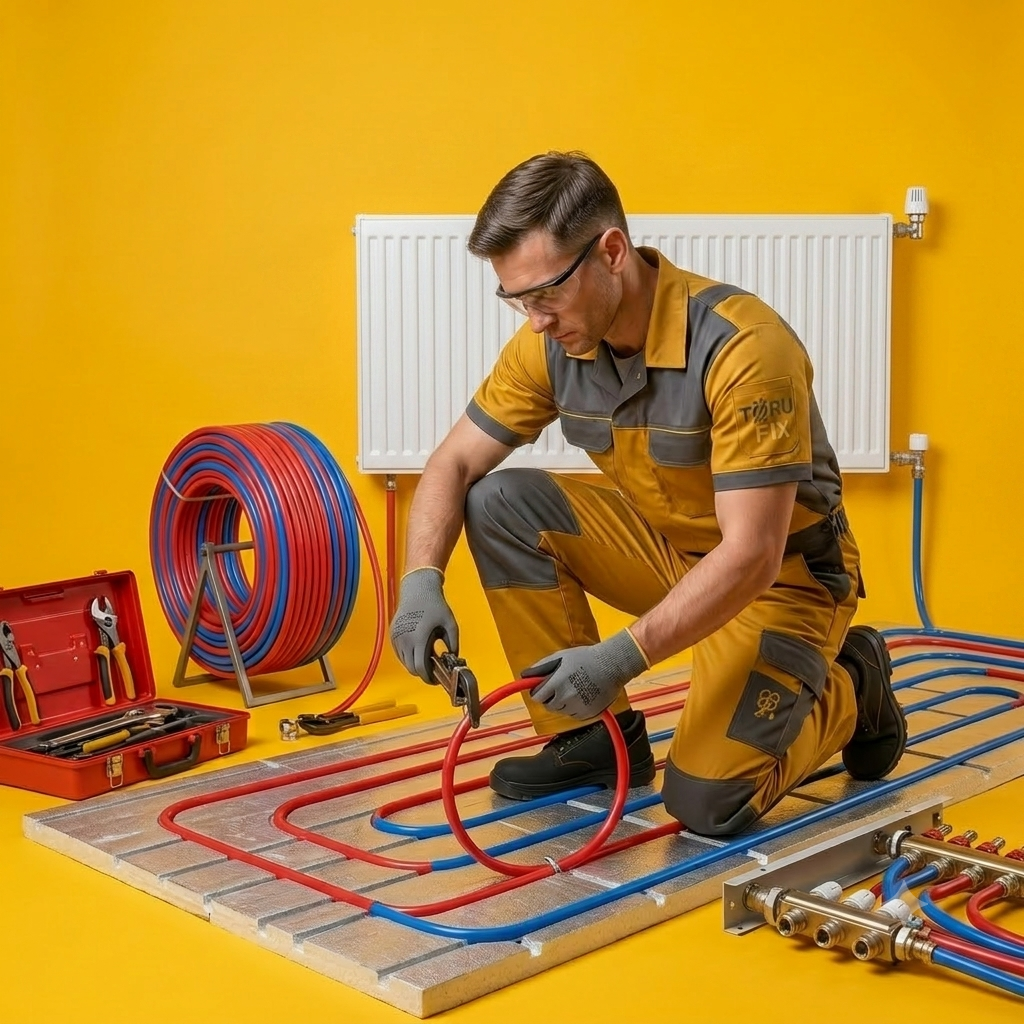
Old radiator dismantling, connection preparation, new radiator installation with valves, system filling and bleeding in one visit.
New radiator heating system piping, radiator placement and mounting, thermostatic valves, plus full system pressurisation and balancing.
Replacement of thermostatic valves, return valves, and radiator taps, freeing seized valves, and installing air vent plugs (Mayevsky valves).
Leak repair at connection points, radiator removal for repairs or wall work, bleeding, and diagnosing cold radiators.
Dispetšer vastab ööpäevaringselt. Peatame kahju leviku, lokaliseerime lekke ja sõidame välja ka öösel ning pühade ajal.
+372 58 024 476The radiator is the most visible part of the heating system, and its condition determines whether a room is truly warm. An old cast-iron radiator may look intact externally, but internally, it could be full of sediment, with narrowed connection pipes and a seized valve instead of a thermostat. In such a situation, increasing the heating won't help – replacing the radiator and its assembly will.
ToruFix OÜ replaces and installs heating radiators in Tallinn and Harjumaa: in apartments, terraced houses, private homes, and for apartment associations. We perform quick single-radiator replacements as well as comprehensive radiator upgrades for entire apartments or houses, including pipework, valves, and thermostats. Work always concludes with system filling, bleeding, and inspection: we ensure the radiator heats evenly and connections are dry.
On this page, we explain when radiator replacement is truly necessary, how to choose the radiator type and output, how work proceeds in apartments with district heating versus private homes with their own boilers, common mistakes we fix, and factors affecting the cost of radiator replacement. The content is based on the work our technicians perform on sites in Tallinn and Harjumaa every heating season.
The clearest sign is a leak. If moisture appears at the radiator connection or between sections, it's a question of "when," not "if." Heating systems are under pressure, and a small drip often turns into a major leak at the start of the heating season when the system is pressurised. Another common reason is seized or corroded valves: if a radiator can no longer be shut off, subsequent work becomes more complex and risky.
A third reason is loss of heat output. Old radiators, especially in older apartment buildings, are often filled with sediment and dirt internally. The radiator may look fine externally, but its heat transfer capacity has decreased, and the lower part remains cold. In this case, it's worth assessing whether a system flush would help or if it's cheaper to replace the radiator – this decision shouldn't be made over the phone, but based on an on-site inspection.
A fourth reason is renovation and layout changes. If a room gets new finishes, window replacements, or a spatial redesign, it's logical to also replace the radiator and move it to the correct location. A correctly sized radiator installed under a new window eliminates a typical problem with old setups: cold air drafts from below the window, which an old, undersized radiator couldn't mitigate.
Choosing a radiator isn't just about appearance. Each type behaves differently: how quickly it heats up, how much water it holds, how well it tolerates district heating pressure, and how easy it is to clean later. In practice, the choice comes down to four main types.
The most common solution in modern apartments and private homes. Steel panels heat up quickly, respond well to thermostats, and are relatively affordable. Low water volume means room temperature can be changed quickly – ideal for automatically controlled systems.
Their weakness is sensitivity to water quality and oxygen. In old systems with open expansion tanks where water is changed frequently, steel corrodes faster. For district heating, ensure the radiator is compatible with the system's operating pressure – we always check this before installation.
Lightweight, with good heat transfer and quick response. Well-suited for private homes with autonomous heating, where water quality is controlled and the system is closed. The number of sections can be accurately chosen according to room requirements.
Aluminium is sensitive to water acidity and electrochemical processes caused by mixed materials. If there are many different metals in the system, correct transitions must be used, and system water monitored.
Bimetallic radiators feature steel channels for water and aluminium fins for heat dissipation. This combination withstands district heating pressure and water quality fluctuations better than pure aluminium, while offering good heat transfer.
In apartment buildings where heating comes from a heat sub-station and pressure can fluctuate at the start of the season, bimetal is often the safest choice. The price is higher than steel panel, but its lifespan and reliability compensate for this.
Cast iron retains heat for a long time and is very durable, but it's heavy, heats up slowly, and responds to thermostats with a delay. In old buildings, cast iron radiators are often still functional, but their interior needs attention.
If the building's architecture or heritage protection requires preserving cast iron radiators, we can refurbish them: clean, replace connections and valves, and reinstall them. If there are no restrictions, a new radiator is usually a more sensible solution.
Incorrect output is the most common mistake we encounter and fix. An undersized radiator won't be able to heat the room sufficiently, even with the valve fully open. An oversized radiator will constantly operate at partial load, which means uneven temperatures in district heating and frequent boiler cycling in a private home.
When estimating output, we consider room area and ceiling height, number and type of windows, number of external walls, floor level in the building, and the actual system flow temperature. The latter is an important nuance: the output stated on the radiator's packaging applies under manufacturer's test conditions, and in a low-temperature system, the same radiator will emit less heat. This is why we always calculate the solution according to the specific building, not just a general area formula.
Location is as important as output. The classic correct spot is under a window, where the radiator counteracts cold air drafts before they spread into the room. The radiator must remain unobstructed: a long windowsill, thick curtains, or furniture built in front of the radiator will significantly reduce heat output. If obstruction is unavoidable, we account for this when selecting the output.
The work fundamentally follows the same structure, whether we're replacing a single radiator in an apartment or all radiators in a house. The difference lies in the scope and preparation required.
We inspect the existing radiator, connection method, valves, and the condition of the riser. We measure the distance between connections and the room size. Based on this, we propose the radiator type, size, connection scheme, and agree on the scope and timing of the work.
If the radiator has functioning shut-off valves, work can be done without draining the entire system. If valves are missing or seized, the riser must be closed – in an apartment building, this requires coordination with the apartment association or manager, and often informing neighbours. We arrange this in advance with the client.
We remove the radiator ensuring that water remaining in the system does not spill onto the floor or finishes. An old cast iron radiator is heavy and is moved carefully to avoid damaging the floor covering. If necessary, we will remove the old radiator from the site.
Old threads are cleaned or replaced. If a pipe section is corroded, we replace it – connecting a new radiator to an old, worn pipe is a short-term solution that will soon require another visit from a technician. If necessary, we adjust the connection height to match the new radiator's dimensions.
We secure wall brackets with fasteners suitable for the wall material and level the radiator. We install shut-off valves, a thermostatic valve, a return valve, and an air vent. The radiator is installed so it can later be shut off and removed without draining the entire system.
We fill the system, bleed the radiators, and raise the pressure to the operating level. We check all connections and monitor how the radiator heats up. An evenly warm surface without cold spots indicates that air has been expelled and flow is correct.
We set the thermostats and, if necessary, balance the radiator flow rates to ensure heat is distributed evenly between rooms. We explain to the client how the thermostat works and how to bleed the radiator themselves. We tidy the workspace and hand over the completed work.
In an apartment building, a radiator is part of a shared heating system, which sets rules for the work. During the heating season, the riser is under pressure, and the radiator cannot simply be removed – closing the riser is required, which is arranged by the apartment association or management company. This is why we recommend planned radiator work be done in summer when heating is off: it's faster, cheaper, and causes less disturbance to neighbours.
Another important nuance is hydraulic balancing. If one apartment owner installs a significantly larger radiator or unilaterally changes the connection scheme, it can affect the heat supply of other apartments on the same riser. We operate based on the logic of the existing system and offer solutions that don't take heat away from neighbours. For major changes, we recommend coordinating the solution with the apartment association.
For apartment associations, we also undertake large-scale radiator replacements: for entire stairwells or buildings, according to an agreed schedule and with resident notification. In such cases, it's sensible to combine the work with riser upgrades – walls and floors are opened only once, and the result is long-lasting. If the building plans a broader heating system upgrade, we also review the heat sub-station and the need for system flushing.
In a private home, the system is autonomous, offering greater freedom: you can choose the radiator type, connection method, and pipework solution. In new builds, we mostly install radiators with a manifold system, where each radiator has its own pipe – this provides better control and easier maintenance later on. For renovations, we work with the existing pipework and assess whether it can be used or if an upgrade is more sensible.
If a heat pump is the heat source, it's important to consider the lower flow temperature. For the same room, a larger surface area radiator will be needed than with a traditional boiler. An incorrect choice can lead to a situation where the heat pump operates efficiently, but the room remains cool – the problem isn't with the device, but with undersized radiators.
Often, underfloor heating and radiators are combined in private homes: underfloor heating on the ground floor and in wet rooms, radiators in bedrooms and on the first floor. In such cases, we design the solution so that both circuits receive the correct temperature and the system is balanced. We perform underfloor heating work to the same scope – see the underfloor heating installation page.
A thermostatic valve is a small detail with a disproportionately large impact on heating costs and comfort. The thermostat maintains the room temperature at a set level and closes the flow when the room is warm – for example, on a sunny day or during cooking in the kitchen. Without a thermostat, the room continues to be heated, and excess warmth is lost through open windows.
Old thermostats tend to seize, especially if not moved for extended periods. A seized head can leave the radiator either continuously closed or continuously open. In most cases, the thermostatic head can be replaced without draining the system if the valve body itself is in good condition. If the body is also worn, we replace the entire valve.
Balancing is a step that, when skipped, causes the typical complaint: one room is too warm, while another remains cold. Water always takes the path of least resistance, and without adjustment, most of the flow will go to the shortest circuit. By adjusting the return valves, we redistribute flow rates between radiators so that the furthest radiator receives its allocated amount. This is an inexpensive job that often yields immediate results.
Most later problems arise not from the radiator itself, but from the installation. Below are the mistakes we see most often – most of which are preventable.
A cold radiator doesn't always mean it's broken. Diagnosis proceeds by elimination, and the sequence is almost always the same: first air, then the valve, then flow rate, then system blockage.
If the top part of the radiator is cold and the bottom is warm, it indicates air – this is removed via the air vent plug. If the radiator is completely cold but the riser is warm, a closed or seized valve is usually to blame. If the radiator only warms near the connection pipe and otherwise remains cold, it suggests sediment in the radiator or insufficient flow rate.
If all radiators in one part of the house are cold, the problem isn't with an individual radiator, but with the system: pressure, pump, balancing, or the heat source. In such cases, we inspect the entire circuit and, if necessary, recommend system flushing or maintenance. The cause of a cold radiator must be found before replacement – otherwise, the new radiator will also remain cold.
The price is determined by the scope of work and site conditions, not just the number of radiators. The biggest difference comes from whether existing connections are usable or if the pipe section needs upgrading, and whether the system can be partially or completely isolated.
The cheapest option is a planned replacement outside the heating season, where the radiator has functioning shut-off valves and the new radiator fits existing connections. It's more expensive when work must be done during the heating season, valves are missing, pipework is corroded, and connection heights need to be altered. Emergency call-outs for a leaking radiator are a separate service, available 24/7.
We provide the price before work begins and list materials separately on the invoice. For larger projects – an entire apartment or house – we conduct an inspection and provide a written quote. Hourly rates apply, and an overview of work costs can be found in the price list; the exact sum is always determined after an on-site inspection.
New radiators don't require much attention, but a few simple habits will significantly extend the system's lifespan. The most important is bleeding at the start of the heating season: after the summer shutdown, air accumulates in the system, and removing it takes a couple of minutes per radiator.
Another tip is to move thermostats even in summer. If the head stays in one position all season, the spindle can seize. A few turns during the off-season keeps the valve moving. Thirdly, it's worth monitoring system pressure – a continuous drop means there's a leak somewhere, and finding it early is cheaper than later.
In an older system where radiators are new but pipework is old, consider a heating system flush. A new radiator will quickly collect sediment from old pipework and lose some of its output. We perform flushing and maintenance as part of our heating system maintenance service.
We perform radiator work daily in apartments, private homes, and for apartment associations in Tallinn and Harjumaa. This means we are familiar with both old apartment building riser solutions and new private home manifold systems, and can anticipate specific nuances on any given site.
We provide the price and scope of work before starting, and list materials separately on the invoice. We guarantee both the work performed and the materials we install, and issue a proper invoice suitable for submission to apartment associations or insurance companies. If we see that radiator replacement won't solve the problem – for example, if the real cause is system balancing or the heat sub-station – we'll honestly say so and offer the correct solution.
If your radiator is leaking now, don't wait until morning: close the valves if possible and call. Our emergency service operates 24/7. For planned replacements, we agree on a suitable time and conduct an inspection, based on which you'll receive a clear quote.
Oleme 24/7/365 kõikjal Tallinnas ja Harjumaal.
Tuleme kohale kiiresti ja lahendame probleemi kohapeal.
Teeme tööd korrektselt ja anname garantii.
Selge hinnainfo enne tööde algust, üllatusi ei tule.
Aitame vormistada kahjujuhtumeid kindlustusseltsidele.
Helista või kirjuta – kirjelda probleemi paari lausega.
Ütleme tunnihinna ja eeldatava mahu enne kohalesõitu.
Tallinnas tavaliselt 30–60 minutiga, oma tehnika ja varuosadega.
Teeme töö, kontrollime süsteemi ja anname garantii.
Flushing, balancing, and boiler & heat sub-station maintenance before the heating season.
heating system maintenanceWhen part of the house opts for or adds wet underfloor heating instead of radiators.
underfloor heating installationConstruction and repair of the heat source that supplies radiator heating.
heat substation constructionWhen a radiator or its connection is leaking now and immediate help is needed.
emergency service 24/7Yes, but it requires more preparation. If the radiator has working shut-off valves, we can do the work without draining the system. If there are no valves, the riser must be closed, which in an apartment building is arranged with the association or manager. However, planned work in summer is generally quicker and more convenient.
If connections are usable and the new radiator fits existing dimensions, replacing one radiator usually takes 1–2 hours. If a pipe section needs upgrading or connection heights altered, the work will take longer. We'll provide a more accurate timeframe after an inspection.
In apartment buildings where heating comes from a heat sub-station, bimetallic is the safest choice due to pressure and water quality. In private homes with a closed system, steel panel and aluminium are also good options. We provide recommendations based on the specific site, considering system type and operating pressure.
Both options are suitable. We usually supply radiators along with installation, as this allows us to be responsible for the complete solution. If the client wishes to buy them, we will advise on exact measurements, connection type, and suitable output beforehand.
The most common causes are air in the radiator or a seized valve, followed by unbalanced flow or sediment in the radiator. We check these in sequence, and only recommend replacement if the radiator itself is blocked or damaged.
Yes, especially if multiple radiators were replaced or their output changed. Balancing redistributes flow rates to ensure all rooms receive even heating. We perform this work as part of the replacement process.
Often, yes, but it requires extending or re-routing pipework and may involve wall or floor work. We assess the solution on-site and advise whether relocating is sensible or if it's better to stick with the existing location.
Yes. We undertake large-scale projects on a schedule, apartment by apartment or stairwell by stairwell, and coordinate resident notification with the association. Such work is often combined with riser replacement.
Yes, we provide a guarantee for both the work performed and the materials we install. We issue a proper invoice suitable for submission to apartment associations or insurance companies.
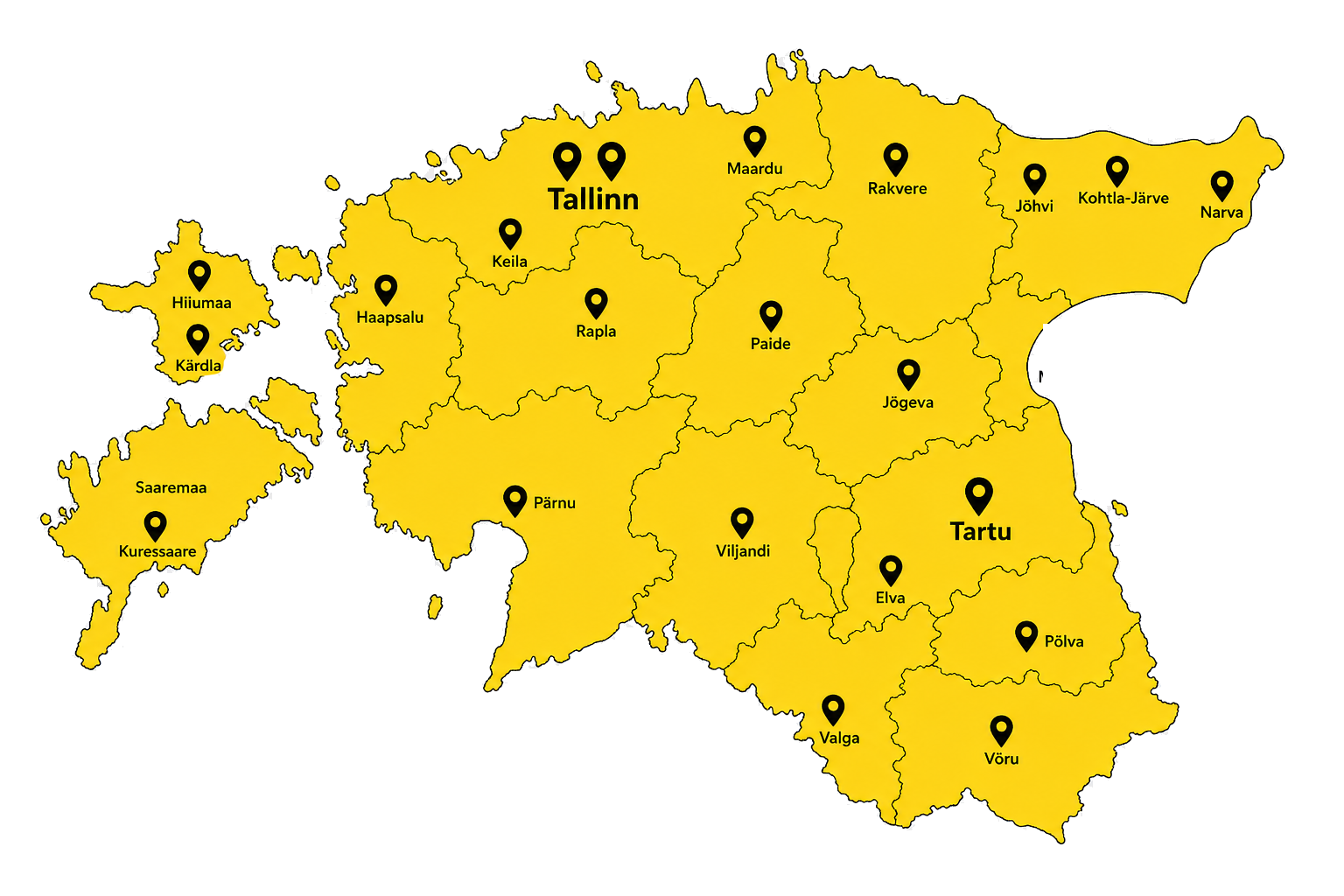
Our primary service area is Tallinn and Harjumaa, but we travel throughout Estonia. For emergency call-outs concerning a leaking radiator, we respond 24/7.
Sõidame välja kogu Eestis. Avariitööd ööpäevaringselt, 7 päeva nädalas.